𝗙𝗿𝗼𝗺 𝗣𝗵𝗮𝗻𝘁𝗼𝗺 𝘁𝗼 𝗣𝗿𝗮𝗰𝘁𝗶𝗰𝗲
𝗙𝗿𝗼𝗺 𝗣𝗵𝗮𝗻𝘁𝗼𝗺 𝘁𝗼 𝗣𝗿𝗮𝗰𝘁𝗶𝗰𝗲 💉
by Dr Tan Wei Sheng, Paediatric Surgeon, Universiti Malaya
Original article from LinkedIn
Also check out:
Step by step video on Youtube.
Transition to USG-guided percutaneous CVAD oral presentation at MAPS Scientific Meeting 2026.
***************************************
As paediatric surgeons, we often insert tunneled central venous lines (Hickman) and chemoports for children who require reliable long-term venous access, particularly short bowel patients on TPN and children undergoing oncology treatment.
This is particularly challenging in children because of their small anatomy, limited working space, and delicate vessels. As some may require repeated venous access over time, vein preservation has always been a priority for me. A smaller scar, reduced vessel trauma, and the possibility of reusing the same vein in the future can make a real difference to their long-term care.
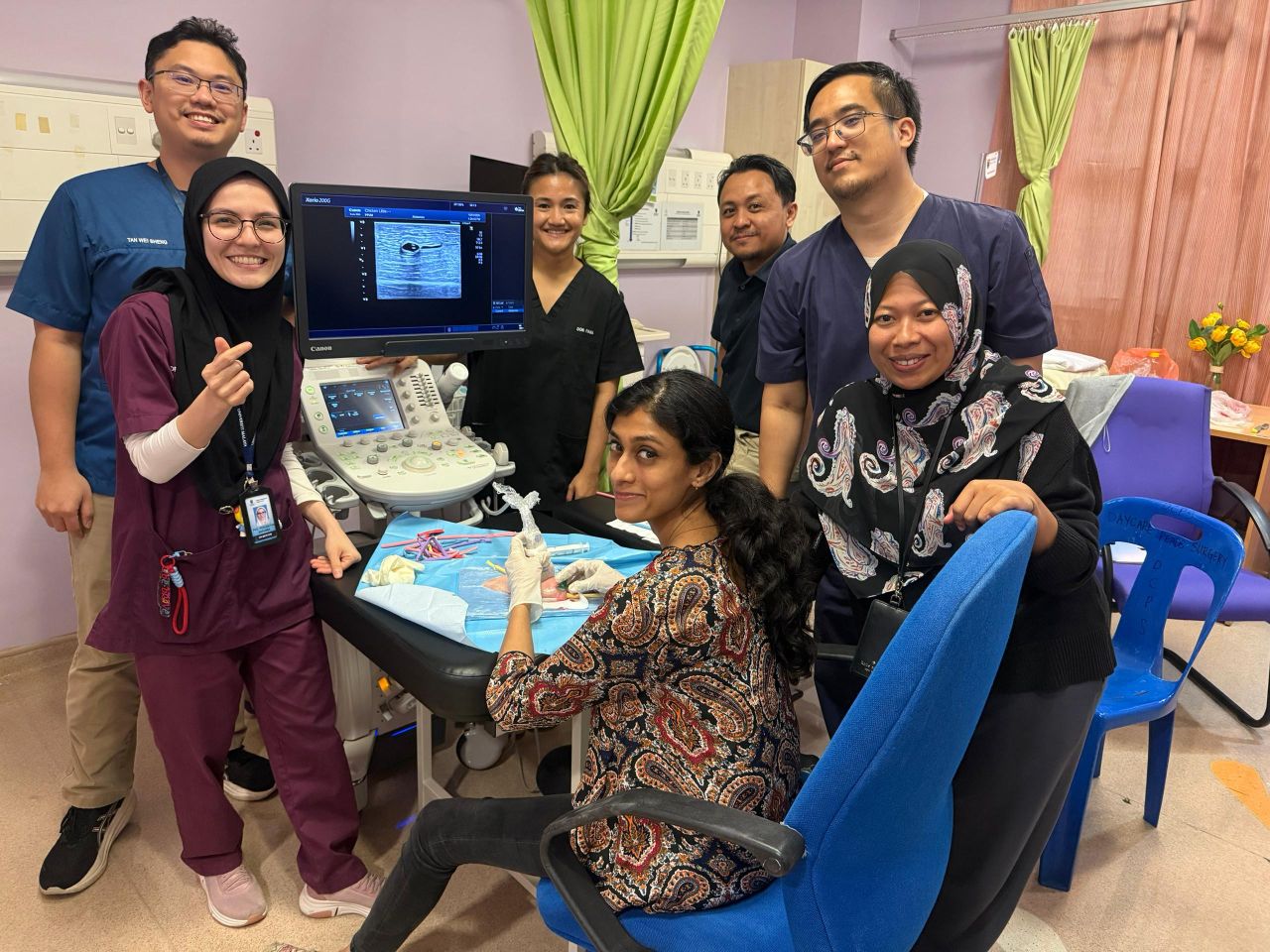
Over the past 4 years, we have organized several in-house ultrasound-guided venous cannulation courses for our paediatric surgical trainees. I am especially thankful to Dr Chor Yek Kee, Consultant Paediatric Intensivist at Sarawak General Hospital, who first introduced this training model and line cannulation technique to me in 2019 during my time working with him there.
Using a simple, low-cost phantom line model made from chicken and balloon, we taught trainees the fundamentals of ultrasound-guided vascular access before progressing to supervised practice.
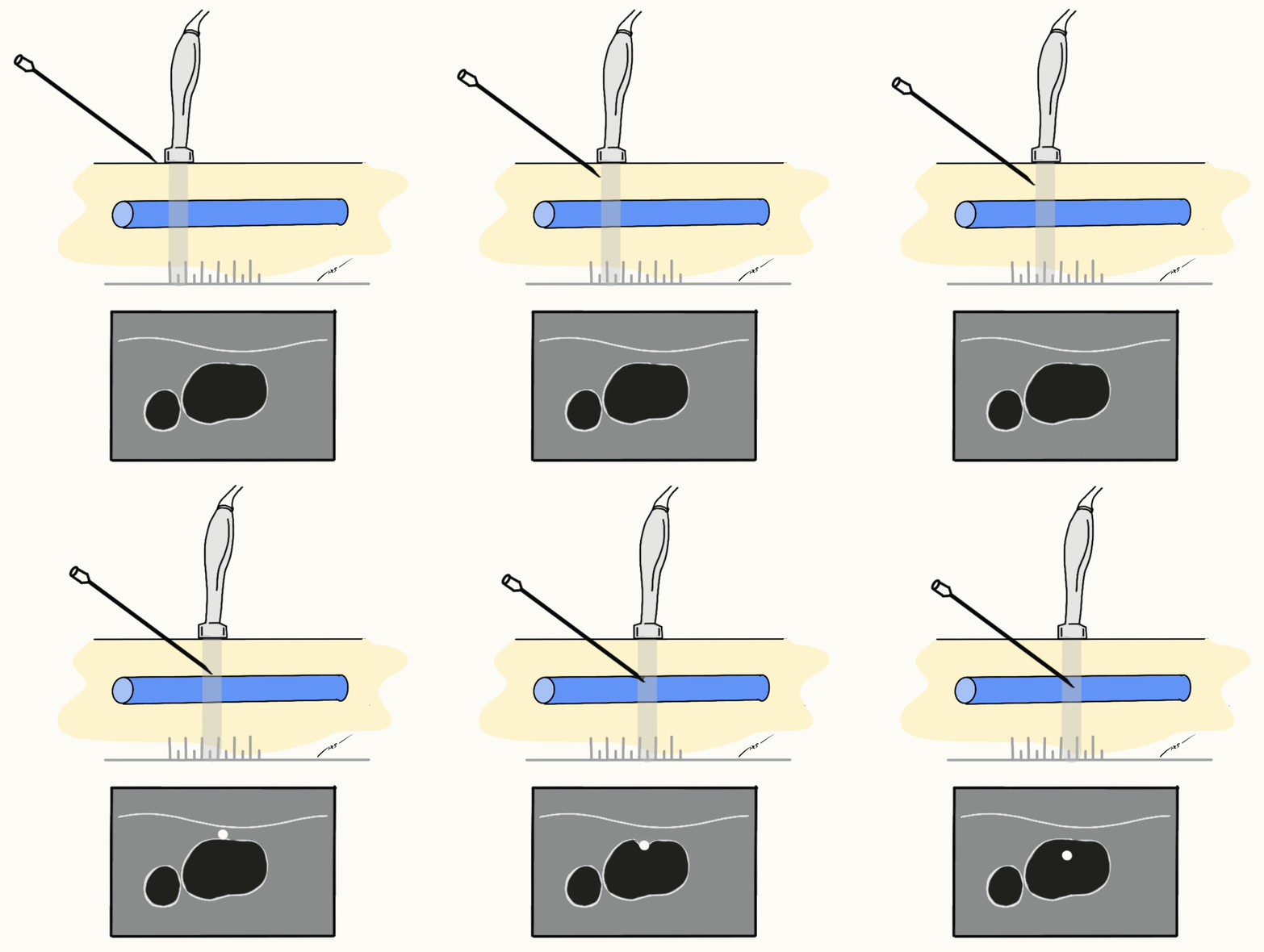
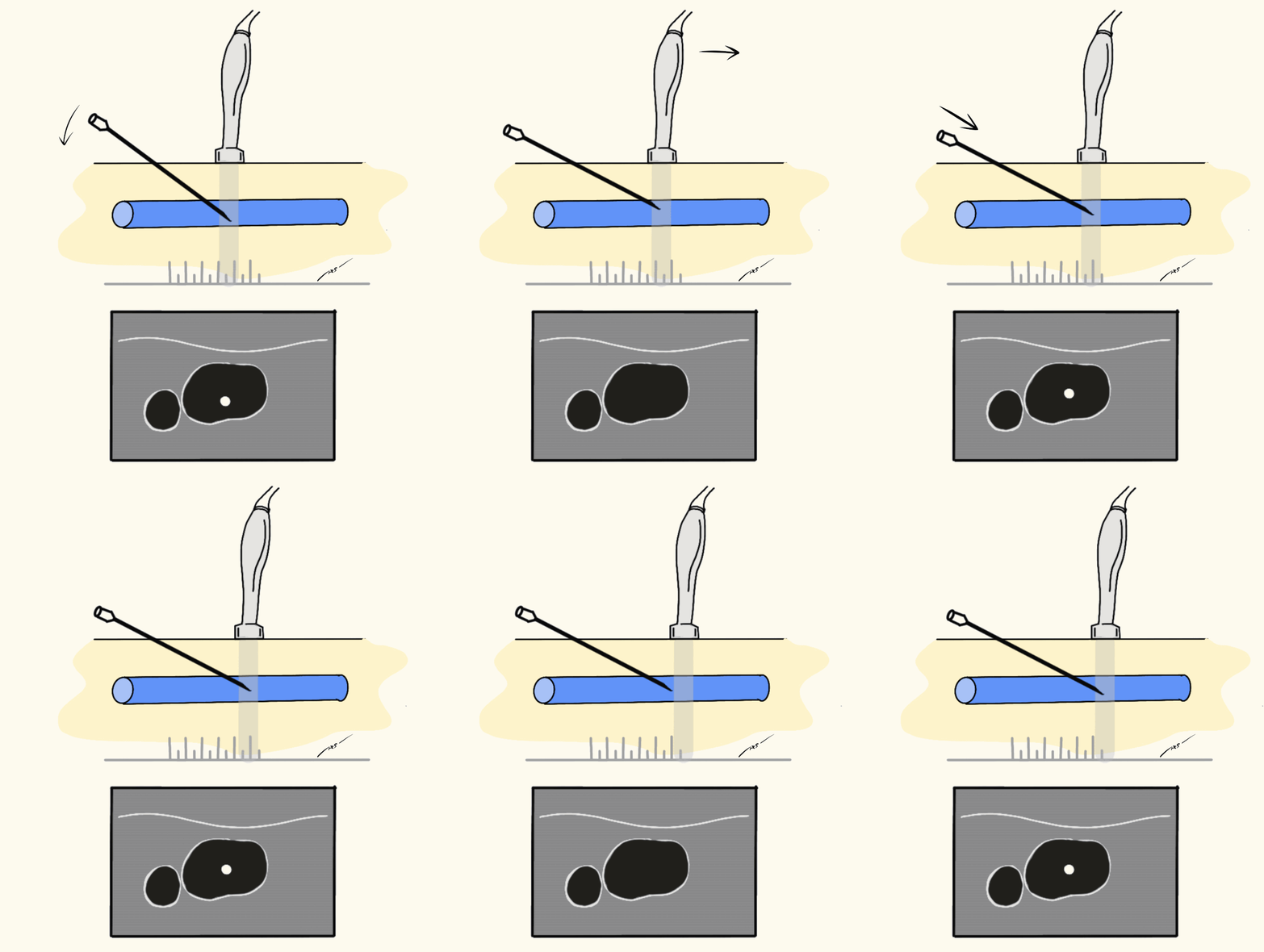
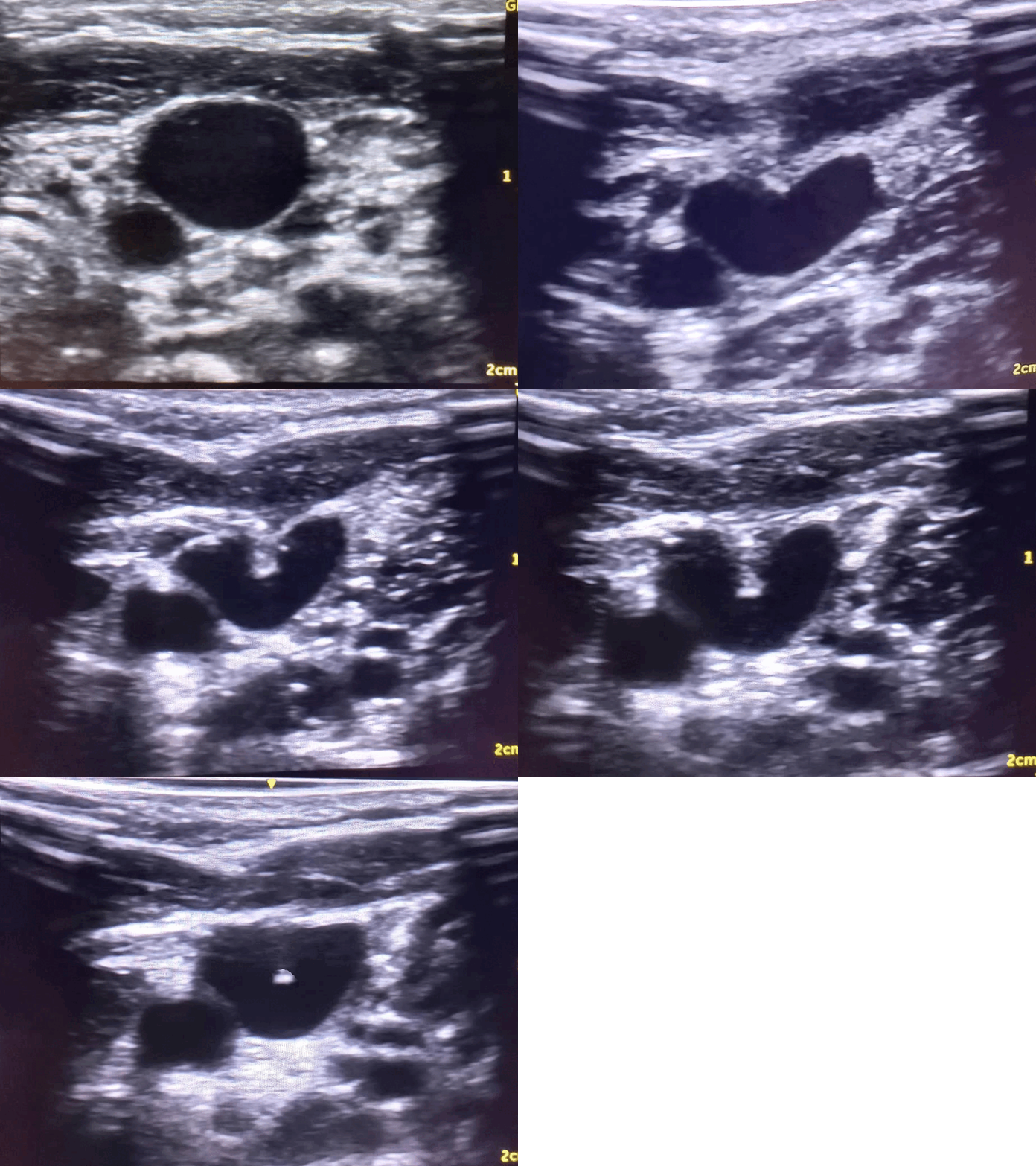
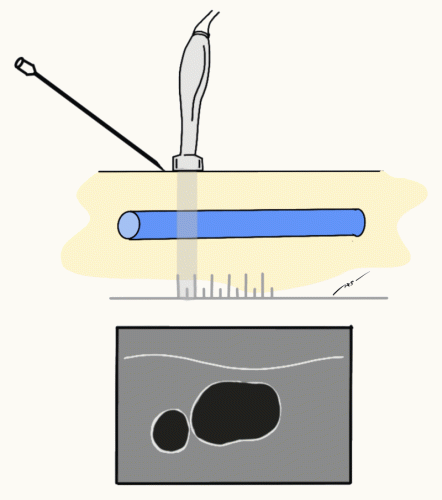
We begin with ultrasound basics, including vessel identification, probe handling, and needle–probe coordination, before moving on to essential techniques such as Dynamic Needle Tip Positioning (DNTP) and the Vanishing target sign.
In our single-center experience of 268 paediatric central venous access device insertions between 2020 and 2025, we transitioned from traditional open cut-down insertion to ultrasound-guided percutaneous insertion. Percutaneous insertion increased from 72% in 2022 to 98% in 2023, with complete adoption from 2024. The percutaneous approach achieved 100% procedural success with no conversion, 96.7% first-pass cannulation success, a shorter median procedural time (40 vs 68 minutes), and a lower complication rate (2.7% vs 10.7%).
✨I am also deeply grateful to Prof Shireen Anne Nah, Prof Anand Sanmugam, and Mr Yew Wei Tan for their support and encouragement throughout this transition. Change is not always easy, but the trust and guidance of supportive mentors and colleagues made it possible.
✨A meaningful innovation does not always require expensive technology. Sometimes a simple model, a teachable technique, and a supportive team can make a real difference for our children who depend on long-term central venous access. 😊
Links for
1) Dr Chor Yek Kee’s Malaysian Phantom Line Model: https://lnkd.in/g_iYceFn
2) USG-guided Percutaneous Central Venous Line insertion:
https://lnkd.in/gpUZ_N3s
#PaedSurgUMMC #UniversitiMalayaMedicalCenter
#PaediatricSurgery #CentralVenousAccess
#MedicalEducation #SimulationTraining